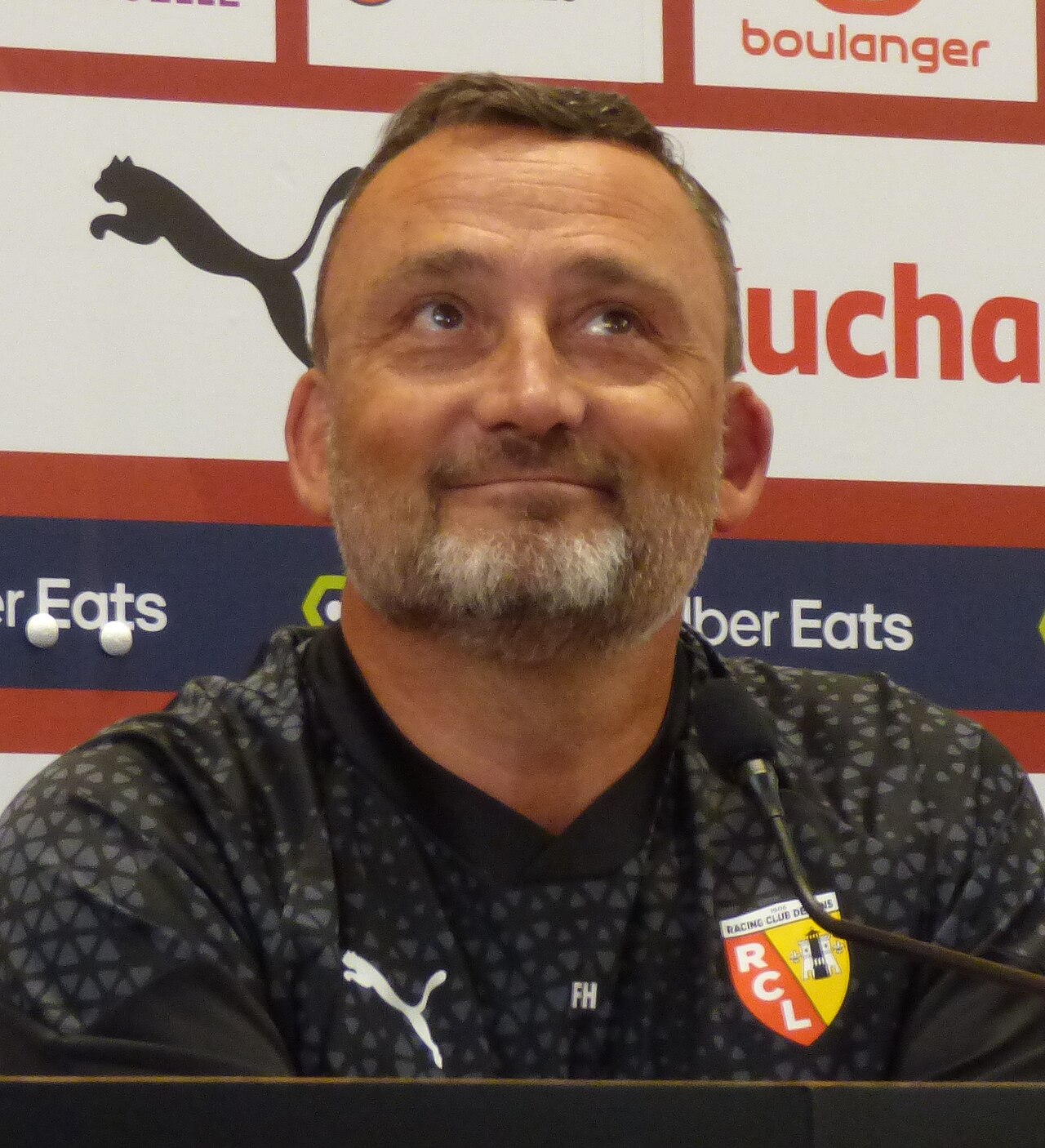
The footballing world often marvels at how quickly a new manager can transform a team's fortunes. Seldom, however, does a debut have quite the electrifying impact witnessed when Franck Haise took the helm at Stade Rennais. In a dramatic turn of events following a period of crisis, Haise’s initial outing as Rennes manager wasn't just a victory; it was a resounding statement, instantly marking a new, ambitious era for the Breton club.
From Turmoil to Triumph: The Pre-Haise Era at Rennes
To truly appreciate the seismic shift brought by Franck Haise, one must first understand the turbulent waters Stade Rennais had been navigating. The club was reeling from a string of disheartening results under former coach Habib Beye. A crushing 3-1 defeat to RC Lens marked their fourth consecutive loss, compounded by a 3-0 exit from the Coupe de France against Olympique de Marseille. Such a dip in form was deemed unacceptable by the Rennes hierarchy, leading to the swift, albeit contractually complex, dismissal of Beye and three of his assistants.
General Director Arnaud Pouille, in a concise statement on February 9th, confirmed the initiation of proceedings against Beye, citing "constraining circumstances" and the lack of "other alternative." This period of uncertainty created a vacuum, leaving fans and pundits alike questioning the club's direction and future prospects. The pressure was immense, not just to find a replacement, but to find one who could immediately inject life, belief, and a winning mentality back into a squad that looked utterly bereft of confidence.
During this interregnum, Sébastien Tambouret admirably stepped into the interim role, even securing a prestigious 3-1 victory against Paris Saint-Germain. While Tambouret's temporary stewardship offered a glimpse of potential, the long-term vision required a more permanent, established figure. The stage was set for a transformative leader, and the club's gaze had already fallen on a familiar face.
The Natural Choice: Why Franck Haise Was Destined for Rennes
The appointment of Franck Haise wasn't a shot in the dark; it was a calculated move rooted in history and a shared understanding of footballing philosophy. Free since his departure from Nice following a challenging run of six consecutive defeats, Haise, 54, emerged as the priority target for Arnaud Pouille. Their professional bond stretched back to their successful collaboration at RC Lens, where Haise had forged a reputation as an astute tactician and a master motivator, guiding the Sang et Or to remarkable achievements.
Furthermore, Haise’s ties to Stade Rennais ran deeper than just managerial aspirations. He had previously served as a youth academy coach at the club between 2006 and 2012, a period where he helped shape future talents. This intimate knowledge of the club's structure, ethos, and potential made him a uniquely suitable candidate. Pouille's decision was therefore not just about bringing in a proven manager, but about bringing home someone who understood the club's DNA.
However, despite the promising resume and historical connections, the ultimate test lay on the pitch. Could Haise rekindle the flames of ambition and translate his vision into immediate, tangible results? The answer arrived with stunning clarity on his debut.
Auxerre Annihilation: Franck Haise's Electrifying Debut
Just four days after his official unveiling, Franck Haise’s tenure at Rennes began with a bang. Against Auxerre, a team languishing 16th in Ligue 1 and grappling with its own crisis of confidence, Stade Rennais delivered an utterly dominant performance, securing a resounding 3-0 victory at the Abbé-Deschamps. The contrast with the team's recent displays was immediate and stark.
From the first whistle, the hallmarks of Haise's tactical philosophy were evident: an intense, high-pressing game that suffocated Auxerre's attempts to build play. The energy and aggression were palpable, transforming a previously hesitant side into a ravenous unit. The game truly turned in a frantic four-minute spell that showcased Rennes' renewed attacking verve and clinical finishing:
- 18th Minute: An early scare as Auxerre's Sinayoko had a goal disallowed for offside, serving as a wake-up call.
- 20th Minute: Mahdi Camara broke the deadlock with a spectacular half-volley that nestled perfectly into the top corner, leaving the goalkeeper with no chance. It was a goal of pure quality, indicative of a team playing with newfound freedom.
- 22nd Minute: Almost immediately, Esteban Lepaul doubled Rennes' lead. A superb chest control was followed by a powerful right-footed half-volley that crashed in off the crossbar, leaving the Auxerre defense bewildered.
These two exquisite goals within minutes not only put the game beyond doubt but also sent a clear message: Franck Haise's Rennes was a different beast. A third goal from Camara before halftime simply underscored the complete domination. This wasn't just a win; it was a tactical masterclass, demonstrating Haise's ability to quickly implement his system and extract immediate performance gains from his players.
The "Haise Effect": A Club Reinvigorated and European Ambitions Rekindled
The Auxerre victory wasn't an isolated incident; it was the catalyst for a profound transformation. While Tambouret’s impressive 3-1 win against PSG showed the team's potential, Haise's arrival solidified it, turning sporadic brilliance into sustained momentum. The immediate impact of Franck Haise at Rennes has been nothing short of an "electrocatalyst," shifting the mood from one of doubt and despair to one of soaring ambition.
The article The Haise Effect: Rennes' New Coach Ignites Immediate Turnaround delves deeper into how this strategic appointment has revitalized the squad. Under Haise, Rennes quickly registered a second consecutive victory (following Auxerre), putting them on a path to a potential third successive win when they faced Toulouse. This surge in form has dramatically altered their standing in Ligue 1, propelling them back into contention for European qualification spots, including the coveted Champions League places.
The immediate tactical changes, particularly the emphasis on a high, intense press and dynamic attacking play, have evidently resonated with the players. This isn't just about winning games; it's about restoring identity and belief. As From Crisis to Contender: Haise Revives Rennes' European Hopes elaborates, the club has rediscovered its competitive edge, demonstrating resilience and a renewed hunger for success. Haise's calm demeanor combined with his clear tactical instructions appears to have unlocked the full potential of a talented squad that had previously underperformed.
Tips for Understanding Managerial Transitions:
- Clear Philosophy: Successful managers often bring a distinct tactical identity that players can quickly grasp and execute.
- Player Buy-in: The manager's ability to motivate and secure the immediate trust of the squad is crucial for rapid turnarounds.
- Exploiting Opposition Weaknesses: An effective debut often sees the new manager quickly identify and capitalize on the opponent's vulnerabilities.
- Confidence Boost: A significant win early on can dramatically lift team morale and set a positive tone for the rest of the season.
Conclusion: A Bright Future for Franck Haise's Rennes
Franck Haise's Rennes era has begun in the most spectacular fashion imaginable. From the ashes of a challenging period, he has, in mere days, instilled a new sense of purpose, a clear tactical direction, and an undeniable winning mentality. The dominant debut against Auxerre was more than just three points; it was a declaration of intent, signaling that Stade Rennais is back in the fight. With European ambitions firmly rekindled, fans eagerly anticipate what this new, electrifying chapter under Haise will bring, confident that the club is once again on an upward trajectory.